
Title loan debt management requires a strategic approach:
1. Comprehend financial commitments, including income and expenses.
2. Streamline payments with direct deposits from employers.
3. Consider short-term solutions leveraging vehicle equity, avoiding long-term cycles (40% default rate).
4. Create a realistic budget: Allocate 50-70% of disposable income towards loan payoff, track spending with apps or spreadsheets.
5. Structure repayment plans realistically, e.g., 25% monthly for a $5,000 title loan with 300% interest to pay off in a year.
6. Regularly review and adjust budget and payment strategy for debt-free future.
7. Consolidate loans and build an emergency fund (1-3 months' living expenses) for further cost savings.
Title loan debt management is a critical aspect of financial stability, yet many struggle with its intricacies. In today’s economic landscape, where access to quick cash can lead to unforeseen debts, effective title loan debt management has become an indispensable skill. The problem lies in the potential for these short-term loans to spiral out of control due to high-interest rates and stringent repayment terms. However, the solution is within reach: meticulous budgeting discipline. By implementing structured budgets, individuals can gain control, avoid default, and navigate their financial obligations with confidence. This article delves into the core principles of title loan debt management, offering practical insights for reclaiming financial freedom.
- Understand Your Financial Commitments
- Create a Realistic Budget for Debt Repayment
- Prioritize and Strategize with Title Loan Debt Management
Understand Your Financial Commitments

Effective title loan debt management begins with a deep understanding of your financial commitments. This involves a thorough analysis of all income sources and fixed expenses. For instance, if you’ve taken out a motorcycle title loan, it’s crucial to factor in the repayment schedule alongside other regular payments like rent or mortgage, utilities, insurance, and transportation costs. A direct deposit of your paycheck 1-3 times a month from your employer can help streamline these financial commitments by automatically allocating funds towards various expenses and debt obligations.
By keeping your vehicle or motorcycle as a valuable asset, you can leverage its equity for title loans, which should be considered short-term financial solutions. It’s important to maintain responsible borrowing practices to avoid falling into a cycle of high-interest debts. For example, a study by the Consumer Financial Protection Bureau found that nearly 40% of borrowers default on their title loans within two years due to unexpected expenses or income volatility. To mitigate this risk, create a budget that allocates sufficient funds for unexpected costs and leaves a buffer for potential financial setbacks.
Practical steps include tracking your spending, setting realistic goals, and prioritizing debt repayment. Consider using budgeting apps or spreadsheets to monitor transactions and ensure transparency. For instance, if you owe $5,000 in title loan debt with an interest rate of 300% annually, a structured repayment plan could involve dedicating at least 25% of your disposable income each month towards paying off the loan within a year. This disciplined approach ensures that your financial commitments are met without further encumbering your assets or plunging you into deeper debt.
Create a Realistic Budget for Debt Repayment

Title loan debt management requires a strategic approach, and one of the cornerstones is creating a realistic budget for debt repayment. This process involves careful analysis of your current financial situation, income, and outstanding obligations, including semi-truck loans or any other high-interest debt. The key is to allocate funds in a manner that allows you to pay off these loans effectively while still covering your daily expenses.
A practical way to begin is by listing all sources of income and categorizing fixed expenses such as rent, utilities, and insurance. Variable costs like groceries, entertainment, and transportation should also be considered. Once this breakdown is complete, allocate a significant portion towards loan payoff, aiming for 50-70% of your disposable income if possible. For instance, if your monthly income allows, setting aside $1,000-$1,500 per month towards debt repayment can significantly reduce the term and interest paid on semi-truck loans or title loans. Remember, a realistic budget is one that you can adhere to while still meeting your financial obligations.
Payment plans are another crucial aspect of title loan debt management. Lenders often offer flexible repayment options tailored to individual needs. These plans typically range from 1-3 months to several years, depending on the loan amount and interest rates. It’s essential to choose a plan that aligns with your budget while ensuring timely payments to avoid penalties or extended interest charges. Regularly reviewing and adjusting your budget and payment strategy as your financial situation evolves will help you gain control over your title loan debt and move towards a debt-free future.
Prioritize and Strategize with Title Loan Debt Management
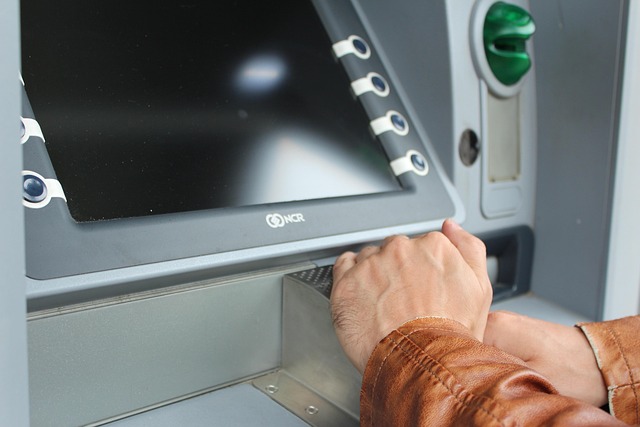
Title loan debt management requires a strategic approach, starting with a disciplined budgeting mindset. Many individuals find themselves burdened by these loans due to their quick approval process, often turning to them during financial emergencies. The key to effective management lies in prioritizing and creating a structured plan. It involves a thoughtful balance between paying off the debts efficiently and building emergency funds to prevent future financial crises.
A strategic approach entails assessing one’s financial situation, understanding interest rates, and identifying avenues for debt consolidation. For instance, refinancing or consolidating title loans can offer lower interest rates, reducing the overall cost of repayment. This method has proven beneficial for many, allowing them to regain control over their finances. According to recent studies, proactive debt management through consolidation can save individuals significant sums in interest payments over time.
Building an emergency fund is another critical aspect of this process. Aim to set aside funds equivalent to 1-3 months’ living expenses, providing a financial safety net. This strategy ensures that unexpected events don’t push you into further debt. For example, a $500 emergency fund can cover minor car repairs or medical bills without resorting to borrowing. By prioritizing and strategically managing title loan debt along with adequate emergency funds, individuals can achieve financial stability and avoid the cycle of debt.
Effective title loan debt management begins with a deep understanding of your financial commitments and the creation of a realistic budget for repayment. By prioritizing and strategizing through disciplined budgeting, individuals can gain control over their debt and work towards financial freedom. This article has provided clear insights into each step, offering practical guidance on navigating and managing title loan debt. The key takeaways emphasize the importance of comprehensive planning, highlighting that successful debt management is a holistic process that requires dedication and persistence. To move forward, readers are encouraged to take immediate action by assessing their current situation, creating a tailored budget, and implementing strategies for effective title loan debt management.